The Mystery of the Brazilian "French" Bread
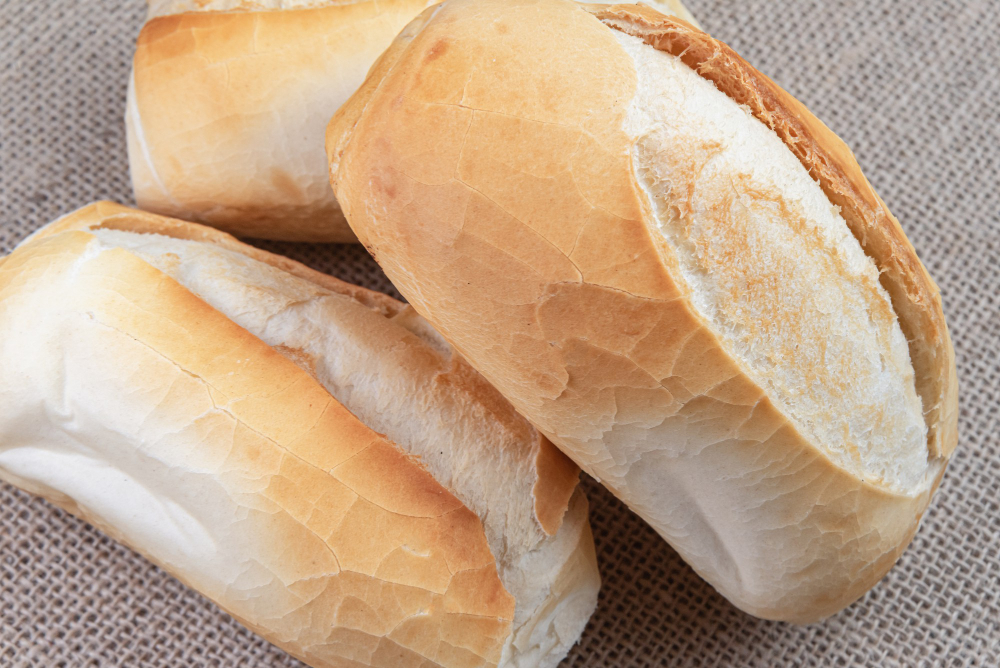
If you’ve ever spent a morning in Brazil, you know there is one sound that defines the start of the day: the crinkle of a brown paper bag filled with warm, crispy pão francês.
It’s the undisputed king of the Brazilian breakfast table. We eat it with butter (pão na chapa), stuffed with mortadella, or dipped straight into a cup of coffee. But here is the funny thing: if you go to Paris and ask for a "pão francês," the baker will probably give you a very confused look.
So, why is this bread so famous in Brazil, and where did it actually come from?
The "Gourmet" Trend of the 1900s
The story begins in the early 20th century. At that time, wealthy Brazilians loved traveling to France. Paris was the center of the world for fashion, art, and—of course—food.
When these travelers returned to Brazil, they couldn't stop talking about the short, crusty baguettes they ate in Europe. They described a bread that was golden and crunchy on the outside but incredibly soft and airy on the inside.
Local bakeries decided to recreate it, but they put their own Brazilian twist on it. Instead of long baguettes, they made small, individual rolls. The result? A bread that was inspired by France but born and raised in Brazil!
A Bread of Many Names
One of the funniest things about pão francês is that Brazil can’t agree on what to call it! Depending on which state you are visiting, you might need to ask for:
Filão or Filãozinho – Very common in São Paulo and parts of the Southeast.
Pão de Sal (Salt bread) – Common in Rio and Minas Gerais.
Cacetinho – Common in Rio Grande do Sul (be careful with this one, it’s a slang word elsewhere!).
Why We Can't Live Without It
It’s popular because it’s the perfect "vessel." The crust is thin enough to crunch but soft enough not to hurt your teeth, and the "miolo" (the fluffy inside) is perfect for soaking up melted butter.
In Brazil, we don’t just buy bread for the week; we buy it fresh every single morning
Level Up Your Portuguese!
Next time you are at a Brazilian padaria, try saying this:
"Por favor, eu queria cinco pães franceses, bem crocantes!"
(Please, I’d like five French breads, very crunchy!)
Do you have a favorite way to eat pão francês? Let me know in the comments!
🚀 Ready to speak like a local?
If you want to master Brazilian Portuguese and understand all the cultural nuances (from bread to business!), join my complete course today. Don't just learn words—learn how to live the language.
Enroll in the Course Now
Culture
Why is "Pão Francês" So Popular in Brazil? (Spoiler: It’s Not Actually French!)
4/7/2026 Luiz Pires
Episode summary
Discover the curious history behind Brazil’s favorite breakfast staple, why we call it "French bread," and how to order it like a local.
Related guides & episodes
- CultureThe Road to Hexa: Why Brazil's 2026 World Cup Campaign is DifferentAn exciting look at Brazil's preparations for the 2026 FIFA World Cup, focusing on the team's new era under Carlo Ancelotti and the quest for the sixth title.
- CultureBeyond the Pitch: The Deep Roots of Brazilian Football CultureExplore how football became more than a sport in Brazil—it's a religion, a lifestyle, and a way for millions to dream of a better future.
- CultureWarm Chaos: A Gringa's Take on BrasilChaos in its original form is cold and isolating, but chaos in Brazilian form is warm, consuming, and inviting. From the craze of the Amazon to the slowness of Salto de Pirapora, each new moment feels intentional yet familiar.
Comments
All comments are reviewed before publishing
Leave a Comment